
Pair, group & team comparisons
Compare Blueprints
Compare two people—or see the whole group. Discover where connection comes naturally, why communication breaks down, what drives each person, and what helps the relationship find its way back.
Already have your Blueprint codes? Start here.
What the comparison reveals
The questions underneath the pattern.
- 01Where do we naturally understand each other?
- 02Why do we sometimes talk past each other?
- 03What does each person need to feel understood?
- 04Where do our instincts complement each other?
- 05What happens when our natural styles conflict?
- 06What helps us repair friction?
Sample Pair Comparison
When warmth meets spark.
A comparison is not a compatibility verdict. It shows the pattern between two Blueprints: what feels easy, what gets misread, and what each person can do next.
Through the Life lens
Warmth and spontaneity shape the connection; clarity keeps accommodation from becoming assumption.
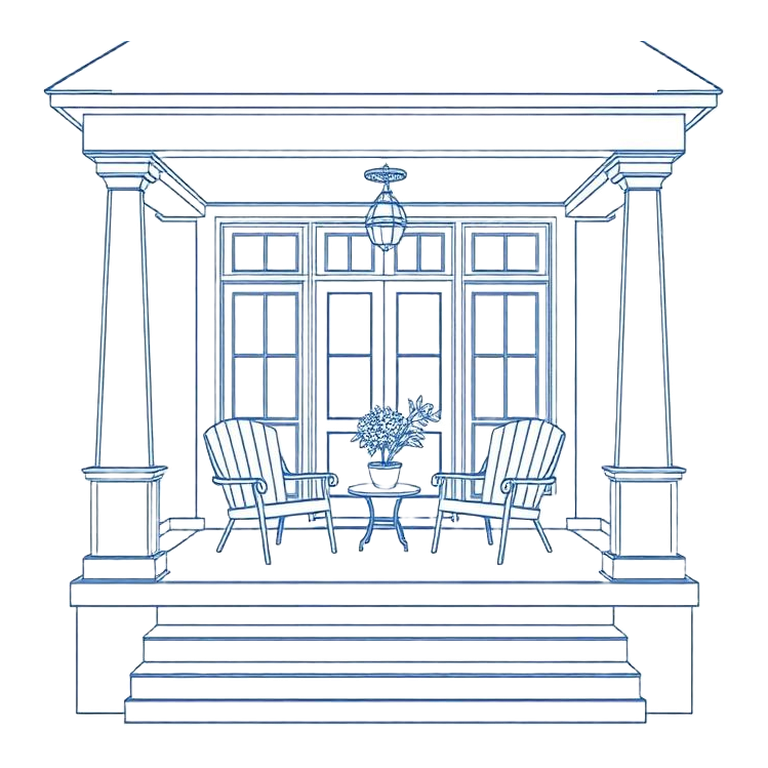
The Front Porch
Nurturer
Warmth, attunement, and emotional safety
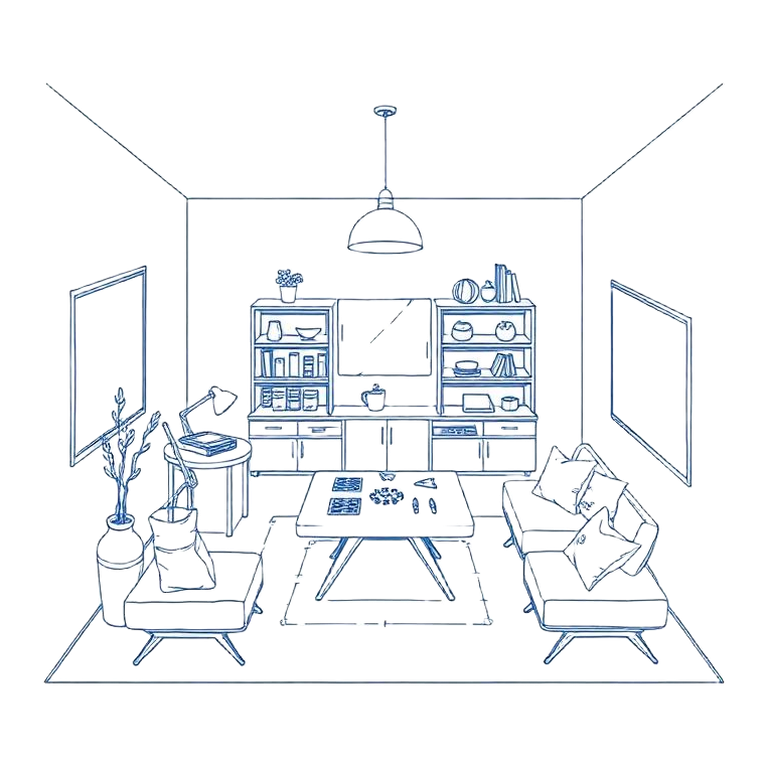
The Game Room
Catalyst
Play, candor, and spontaneous energy
Both emotionally expressive in different ways — you through warmth, they through play. You bring tenderness; they bring joy. Their bluntness may sting; your over-accommodation may bore them.
Ready to compare?
Pair Comparison
Enter at least two completed Blueprint codes to see your free comparison summary.
- 01Choose a lens
- 02Enter Blueprint codes
- 03See your free summary
01 · Choose your lens
Context changes the pattern.
The same people can meet differently at home, at work, or in friendship. Choose the context you want Blueprint to interpret.
Life · 2–50 people
Compare any group of 2–50 people
Broad interpersonal patterns across the relationships and situations you share.
02 · Who are you comparing?
Free summary
See everyone’s Blueprint type before deciding.
Full Pair Comparison
$39.99 one time
Don’t have a Blueprint yet? Take the assessment →
Inside the full report
More than a match score.
Blueprint explains the pattern between people and turns it into language they can use.
Sample excerpt · Nurturer × Catalyst
“You bring tenderness; they bring joy. Their bluntness may sting; your over-accommodation may leave needs unspoken.”
What helps
Ask directly rather than waiting to be noticed. Make room for both play and reassurance.
What to watch
Easy warmth can hide an uneven exchange when one person adapts before naming what they need.
Group Blueprint · Three or more
Every group has a pattern.
Groups aren’t only teams. Compare the people sharing a home, raising a child, building something, gathering around a table, or simply moving through life together.
Parents, co-parents, stepparents, or guardians raising the same children
Friends, a book club, or the people who keep gathering around one table
A household, extended family, or any group moving through life together
Team Blueprint · Work lens
From two colleagues to the whole team.
See team composition, motivation balance, communication patterns, predictable friction, and practical implications for meetings, decisions, delegation, and collaboration.
For founders, leadership teams, managers, departments, project teams, and cross-functional groups of up to 50.
Sample team composition
Dominant type
Supporting type (6/6)
Outer ring on each avatar reflects the person's supporting type.
One framework, applied between people
The comparison applies the same Blueprint framework used in each Individual Blueprint to the dynamics that appear when those people meet.